Introduction
Still stuck on the blog vs website vs vlog debate? You’re not the only one who’s wanted to start something online but got lost, the moment these three words showed up. If you have come up to this article that means you really want to start online.
Here’s the good news for you: by the time you finish this article, I promise you that your confusion will be gone and you’ll know exactly what each one means, how they’re different, and — most importantly — which one is the right fit for you and your goals. Lets get deep into the topic (Blog vs Website vs Vlog)
Firstly, let’s break it down, one at a time.
What Is a Blog?
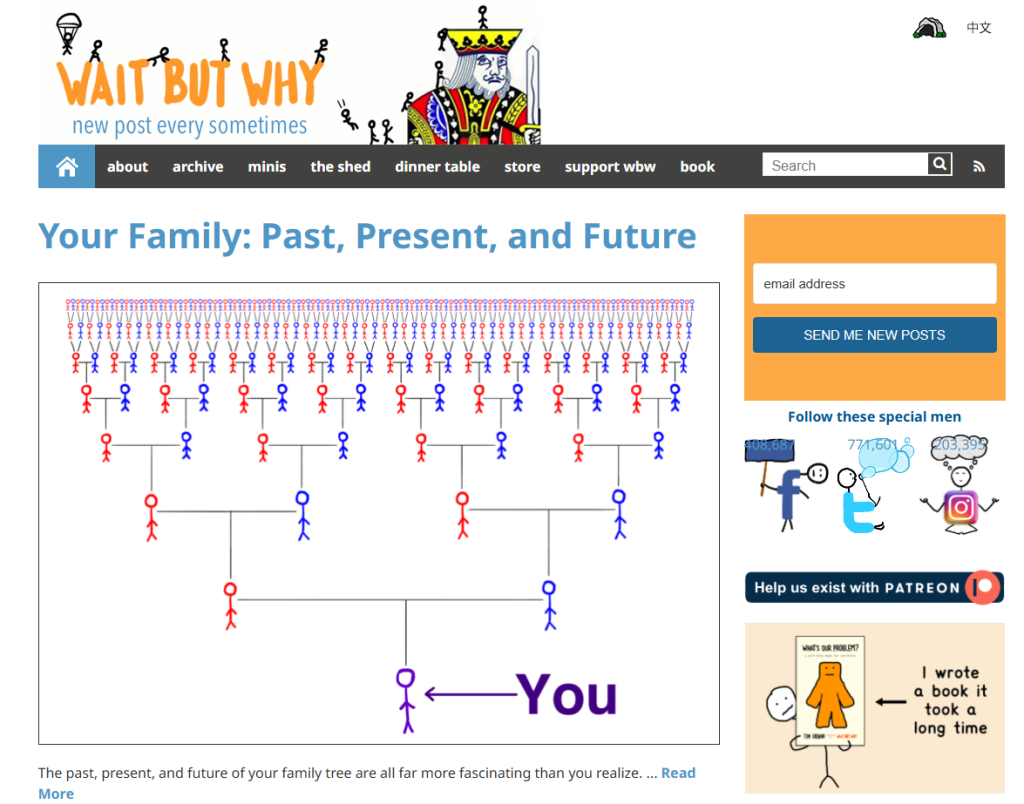
A blog is a type of website or a section within a website, where written articles, also known as “posts,” are published regularly and displayed in reverse chronological order (newest post first).
Think of it like an online magazine or a personal journal that the whole world can read. The word “blog” is actually short for weblog, a term that dates back to the late 1990s when people first started publishing personal diaries online. Over time, blogs evolved from niche hobbies into some of the most powerful media properties on the internet.
Today, blogs are serious business. Some generate millions of dollars a year. Others are personal passion projects with a loyal following of a few hundred readers.
Key features of a blog
- Regularly updated — a blog without new posts is just a website. The whole point is consistent an a fresh content
- Reverse-chronological feed — readers always see your latest post first
- Written in a personal or conversational voice — even professional blogs tend to speak directly to the reader
- Organized by categories and tags — making it easy to navigate by topic
- Comment sections — inviting readers to engage and respond (optional but common)
Types of blogs
- Personal / lifestyle blog — sharing life experiences, opinions, and stories
- Niche content blog — focused on one topic like personal finance, parenting, or fitness
- Business blog — a company publishing articles to attract customers and build trust
- Affiliate blog — earning commissions by recommending products and services
- News / journalism blog — covering events in a specific industry or community
Some of the most well-known blogs in the world — including NerdWallet (personal finance), Moz Blog (SEO), and Pinch of Yum (food) all started as simple personal projects and grew into multi-million dollar brands.
What Is a Website?
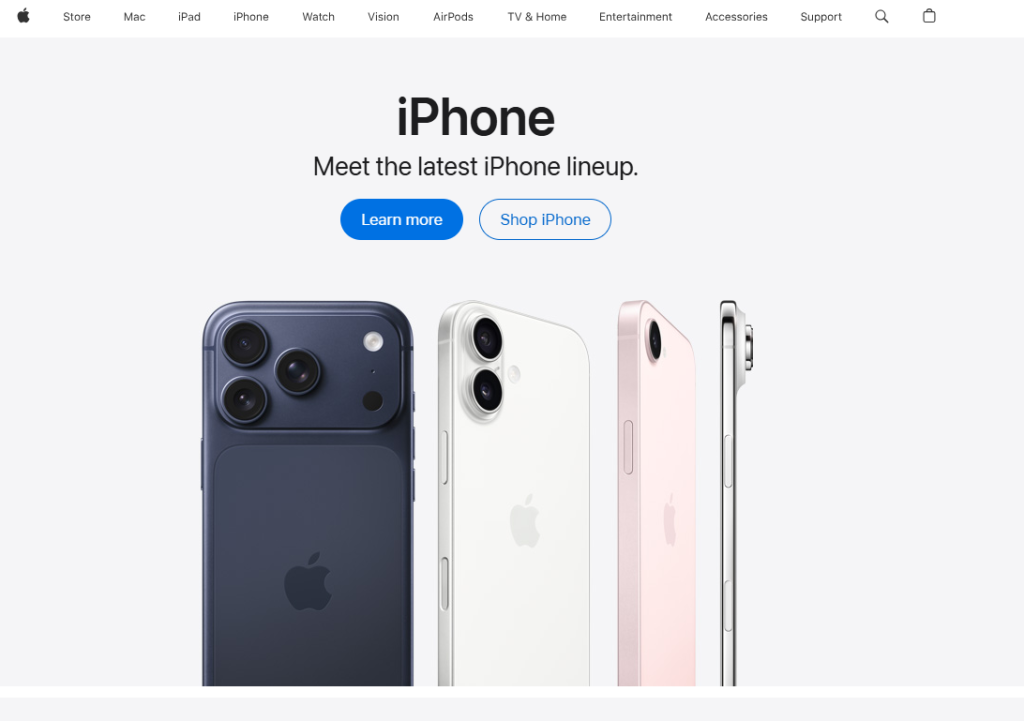
A website is a broader term, it refers to any collection of web pages hosted under a single domain name like (www.amazon.com). A website can contain a blog, a shop, a portfolio, a contact form, or any combination of these, but it doesn’t necessarily have to.
Here’s the key distinction that trips most people up: a blog is always a type of website, but a website is not always a blog.
When someone says “I have a website,” they usually mean a structured, purpose-driven online presence — something built to represent a business, showcase a portfolio, or sell products. It tends to have static pages that don’t change very often, and the goal is less about publishing content and more about presenting information.
Key features of a website
- Static or rarely updated pages — the “About,” “Services,” and “Contact” pages stay mostly the same over time
- Purpose-driven structure — every page exists to serve a specific function (inform, convert, or sell)
- Professional or formal tone — especially for businesses and service providers
- Navigation-first experience — users click through menus to find what they need
- No content feed required — there’s no expectation of regular new posts
Types of websites
- Portfolio website — showcasing work for designers, photographers, writers, or developers
- E-commerce store — selling physical or digital products online
- Business / service website — a dentist, law firm, or agency presenting their offerings
- Landing page — a single-page site built to convert visitors into leads or customers
- Membership platform — gated content available only to paying subscribers
Can a website have a blog?
Absolutely — and many do. In fact, adding a blog to a business website is one of the smartest marketing moves a company can make. It drives organic traffic from Google, builds trust with potential customers, and keeps the site feeling alive and active.
When you visit a company’s website and click “Resources” or “Insights” in the menu, you’re almost always landing on their blog. The two work together seamlessly.
What Is a Vlog?
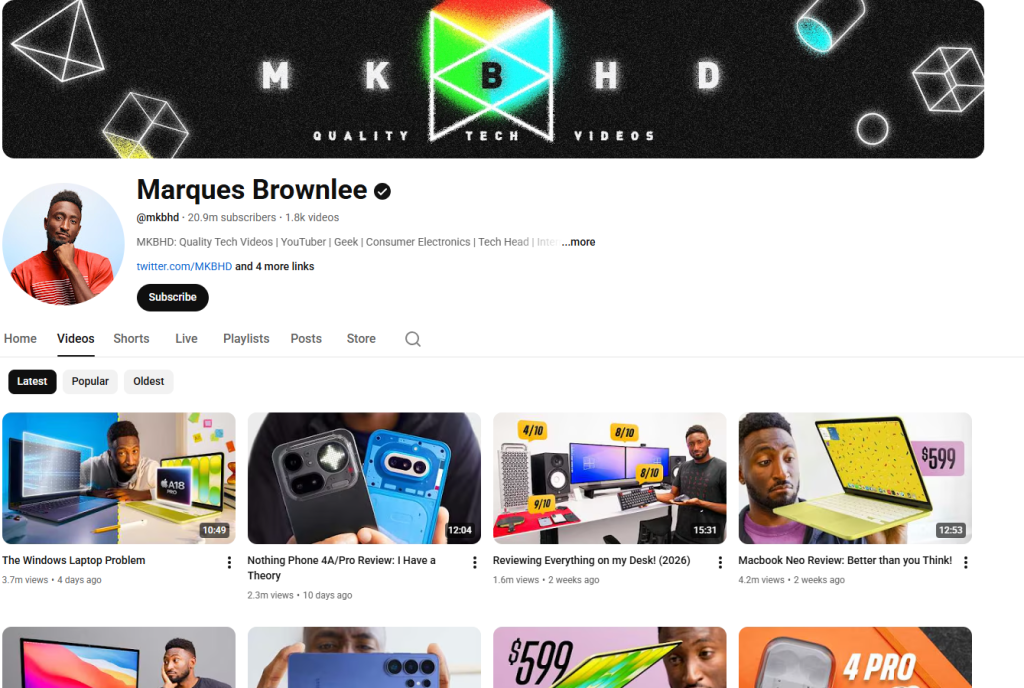
A vlog is a short for video blog — is exactly what it sounds like: a blog in video format. Instead of writing articles, the creator records themselves talking to a camera, sharing their experiences, thoughts, tutorials, or daily life. The viewer watches the content rather than reading it.
Vlogging exploded in popularity alongside the rise of YouTube in the mid-2000s and has since spread to Instagram Reels, TikTok, Youtube Shorts and even podcasting. The format puts the creator’s personality front and center — the face, the voice, and the energy are the product.
Key features of a vlog
- First-person, camera-facing style — the creator speaks directly to the viewer
- Hosted on video platforms — YouTube is the dominant home, but TikTok and Instagram Reels are fast-growing alternatives
- Episodic and regular — most successful vloggers post on a consistent schedule (weekly, twice weekly, or daily)
- Personality-driven — the audience follows the person as much as the topic
- Monetized through platforms — ad revenue, sponsorships, memberships, and merchandise
Types of vlogs
Vlogging isn’t just travel videos — it covers an enormous range of content:
- Day-in-the-life vlog — following a creator through their daily routine
- Travel vlog — documenting adventures in new places
- Study with me / student vlog — popular on YouTube, especially for exam seasons
- Tech or product review vlog — unboxing and reviewing gadgets
- Fitness and wellness vlog — workout routines, meal prep, mental health journeys
- Business or entrepreneur vlog — showing behind-the-scenes of building a company
Is every YouTube video a vlog?
No — and this distinction matters. A vlog is defined by its personal, diary-like quality. A tutorial channel teaching you how to use Photoshop is not a vlog. A creator documenting their life while also teaching Photoshop tips? That’s getting into vlog territory. The personal element is what defines it.
Blog vs Website vs Vlog — Side-by-Side Comparison
Here’s a clean breakdown of how the three formats stack up across the factors that matter most:
| Feature | Blog | Website | Vlog |
| Primary format | Written articles | Web pages | Videos |
| Update frequency | Regular (weekly–monthly) | Rarely updated | Regular (weekly or more) |
| Main platform | WordPress, Ghost, Blogger | Any web-host / builder | YouTube, TikTok, Instagram |
| Core skill needed | Writing & research | Design & structure | Filming & video editing |
| Startup cost | Low ($0–$100/year) | Medium ($100–$500/year) | Medium–High ($200–$1,000+ for equipment) |
| SEO benefit | Very high | High | Moderate (YouTube SEO) |
| Monetization speed | Medium (6–18 months) | Slow (depends on business) | Medium (3–12 months on YouTube) |
| Best for | Writers, educators, affiliate marketers | Businesses, freelancers, sellers | Personalities, entertainers, visual niches |
What they have in common
Despite their differences, blogs, websites, and vlogs share the same fundamental goal: building an audience and establishing a presence online. All three can generate income, create authority in a niche, and open doors to opportunities you’d never get otherwise, the medium is different but the destination can be the same.
Where most people get confused
Two mix-ups happen almost constantly:
- “My blog IS my website” — technically true, but misleading. If your entire website is just a blog (no services page, no shop), that’s fine. But if someone has a business website with a blog section, calling the whole thing “a blog” undersells what it is.
- “My YouTube channel IS my vlog” — not necessarily. YouTube channels can publish tutorials, reviews, documentaries, and entertainment — none of which are vlogs. A vlog specifically refers to the personal, diary-style format.
Which One Is Right (Blog vs Website vs Vlog) for You?
This is the question everything has been building toward. Here’s a decision framework based on your goals, your skills, and your resources.
Choose a blog if…
- You genuinely enjoy writing — and can commit to writing regularly
- You want to build long-term, compounding traffic from Google search
- You’re starting with a limited budget (a blog can cost less than $100/year to run)
- Your niche is knowledge-based — personal finance, travel tips, productivity, health advice
- You want to earn through affiliate marketing, ads, or selling digital products
- You prefer working behind the scenes rather than appearing on camera
Blogging is one of the best long-term plays in online content. It takes time — usually 6 to 18 months before significant traffic arrives — but once it builds, it can run almost on autopilot.
Choose a website if…
- You’re a freelancer, consultant, or small business owner who needs a professional online presence
- Your goal is to attract and convert clients — not to publish content regularly
- You’re selling products (physical or digital) and need a storefront
- You want to display a portfolio of your work
- You don’t have time to create regular content but still need to be findable online
A website without a content strategy is a digital business card. That’s not a criticism — for many businesses, that’s exactly what’s needed.
Choose a vlog if…
- You’re comfortable being on camera — or willing to get comfortable quickly
- Your niche is highly visual (travel, fashion, food, fitness, lifestyle)
- You want to build a large, loyal audience on YouTube
- You prefer talking and storytelling over writing and research
- You’re building a strong personal brand where you are the product
The barrier to entry for vlogging is higher than blogging — you need a decent camera, microphone, lighting, and video editing skills. But the payoff in audience connection is unmatched. People who watch you on video trust you faster than people who just read your words.
Can you do more than one?
Yes — and many of the most successful creators do. The “blog + vlog” combination is especially powerful: you write a detailed blog post on a topic, then record a video version of it for YouTube. This doubles your reach, gives readers and viewers different ways to consume your content, and creates a natural internal linking ecosystem.
The key is to start with (Blog vs Website vs Vlog) anyone format, do it consistently, and add a second format only once the first is stable. Spreading yourself thin across three channels at once is a recipe for burning out before you’ve even begun.
Earning Potential — Which One Makes More Money?
Let’s be real: many people asking this question are also thinking about income. Here’s an honest overview.
Blog monetization
Blogs earn through several channels:
- Display advertising — platforms like Google AdSense or Mediavine pay you based on how many people visit your blog. Rates vary widely by niche (finance blogs earn far more per visitor than general lifestyle blogs)
- Affiliate marketing — earning a commission when a reader clicks your link and buys a product
- Sponsored posts — brands pay you to write a post featuring their product or service
- Digital products — selling eBooks, templates, online courses, or printables directly to your audience
A blog with 50,000 monthly visitors can realistically earn between $1,000 and $5,000 per month — more in high-value niches. The curve is slow at first, then accelerates sharply.
Website monetization
A traditional website earns money differently — it’s the front door to a business, not a content channel. Revenue comes from:
- Selling services (a web designer’s website, a therapist’s booking page)
- Selling products through an integrated store
- Capturing leads for a sales funnel
- Membership or subscription access to gated content
There’s no standard “traffic-to-income” formula here. A freelance designer’s website with 200 monthly visitors might earn $10,000 a month. A hobbyist’s personal site with 10,000 visitors might earn nothing.
Vlog monetization
Vloggers primarily earn through:
- YouTube AdSense — requires 1,000 subscribers and 4,000 watch hours to qualify. Income varies massively by niche and audience location
- Brand sponsorships — the largest income source for most mid-to-large creators
- Channel memberships — fans pay monthly for exclusive content and perks
- Merchandise — selling branded products to a loyal audience
A YouTube channel with 100,000 subscribers in a lifestyle niche might earn $2,000–$8,000 per month from AdSense alone, with sponsorships potentially tripling that figure.
Blog vs Website Vs Vlog (Income)
None of these formats produce significant income overnight. Realistically:
- Blog: 6–18 months to meaningful traffic; 12–24 months to meaningful income
- Vlog (YouTube): 3–12 months to monetization eligibility; income grows from there
- Website: Depends entirely on the business model behind it
The single best thing you can do for your income — regardless of format — is to build an email list from day one. Email subscribers are yours forever, no matter what happens to any platform.
Conclusion
Let’s conclude with basics of (Blog vs Website Vs Vlog):
- A blog is written content, updated regularly, optimized for search engines, and best for writers who want long-term traffic and income.
- A website is a structured collection of pages, built for professional presence or business purposes, and doesn’t require regular content.
- A vlog is video content, personality-driven, hosted on platforms like YouTube, and best for creators comfortable on camera.
There is no universally “best” option. The best format is the one you’ll actually stick with — consistently, over time, without burning out.
If you love writing, start a blog, if you need clients, build a website, if you love being on camera, start a vlog and if you want to do all three eventually? Start with one, get your rhythm, then you can expand.
The internet has room for all of it — and it definitely has room for you.